
Posts by The Vessel
99
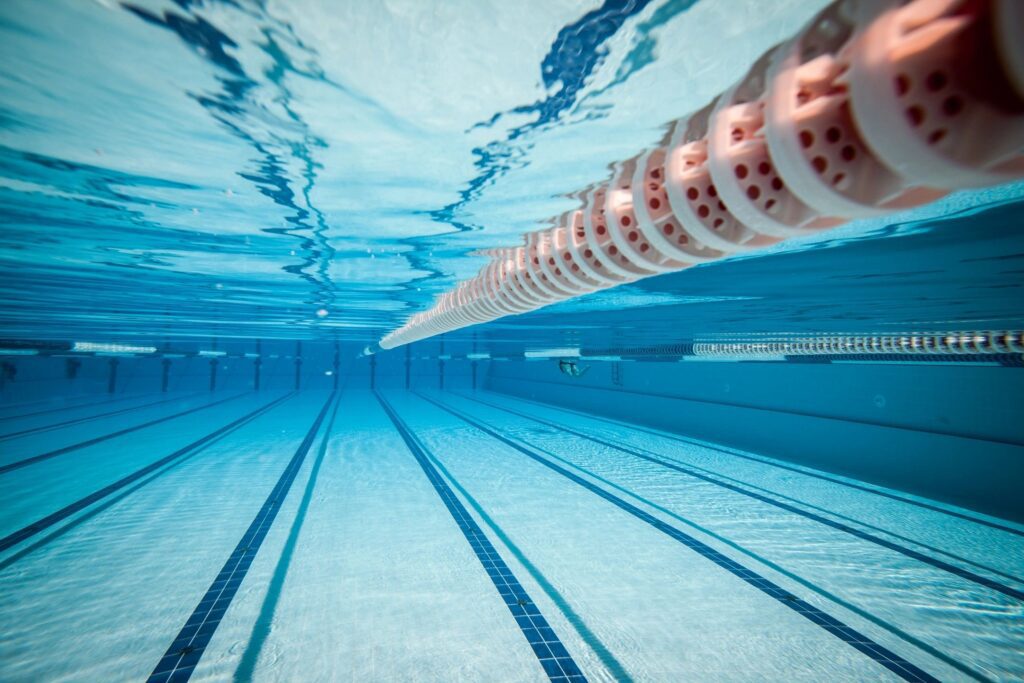
1904 was a really busy year for the city of Saint Louis, MO. Along with the World Fair, that summer and fall the city bested Chicago in the heated competition to host the third Olympiad in modern times (following Athens and Paris). Among the many athletic highlights, the Saint Louis Games saw the debut of…
Read MoreThe Future
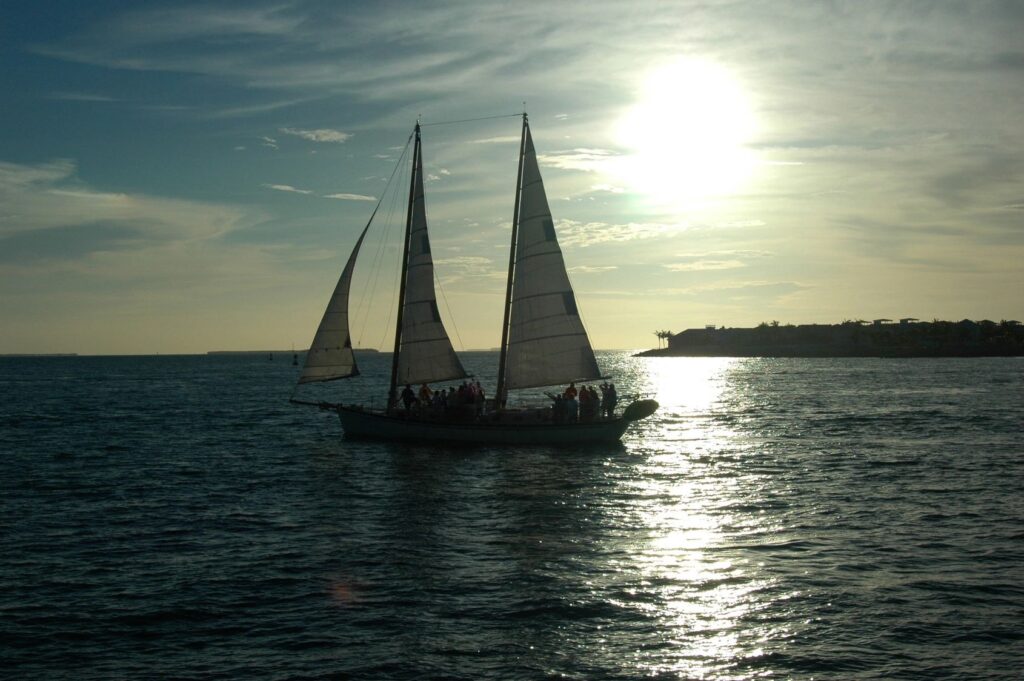
When embarking on journeys of the sea one can choose to navigate by sight, following visible coastal landmarks. But for lengthy trans-oceanic voyages, when all that meets the eye is blue, celestial navigation becomes indispensable. Clear skies are not always above or ahead, however. How can a vessel move forward, when visibility is low? Nowadays,…
Read MoreAction
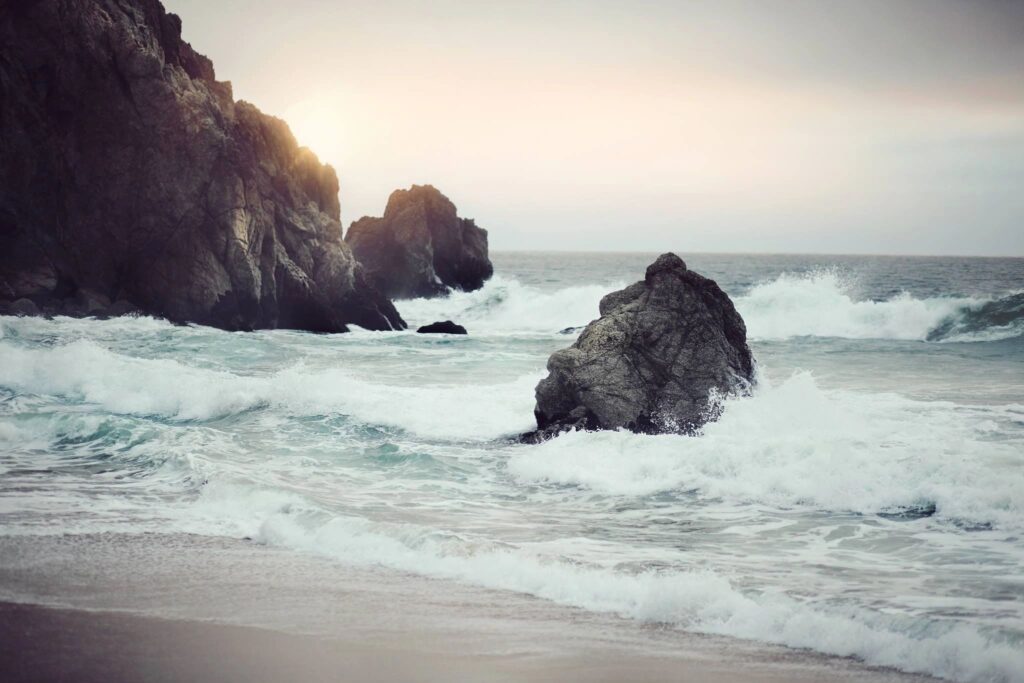
The deep ocean is a place of extreme pressure, icy temperatures, and complete darkness. As scientists continue to discover, however, it is also a place of bustling activity. The largest known (so far) deep-sea coral reef habitat lies in the Atlantic, hundreds of miles offshore Georgia and South Carolina. As their shallow-water siblings, these highly…
Read MorePacific
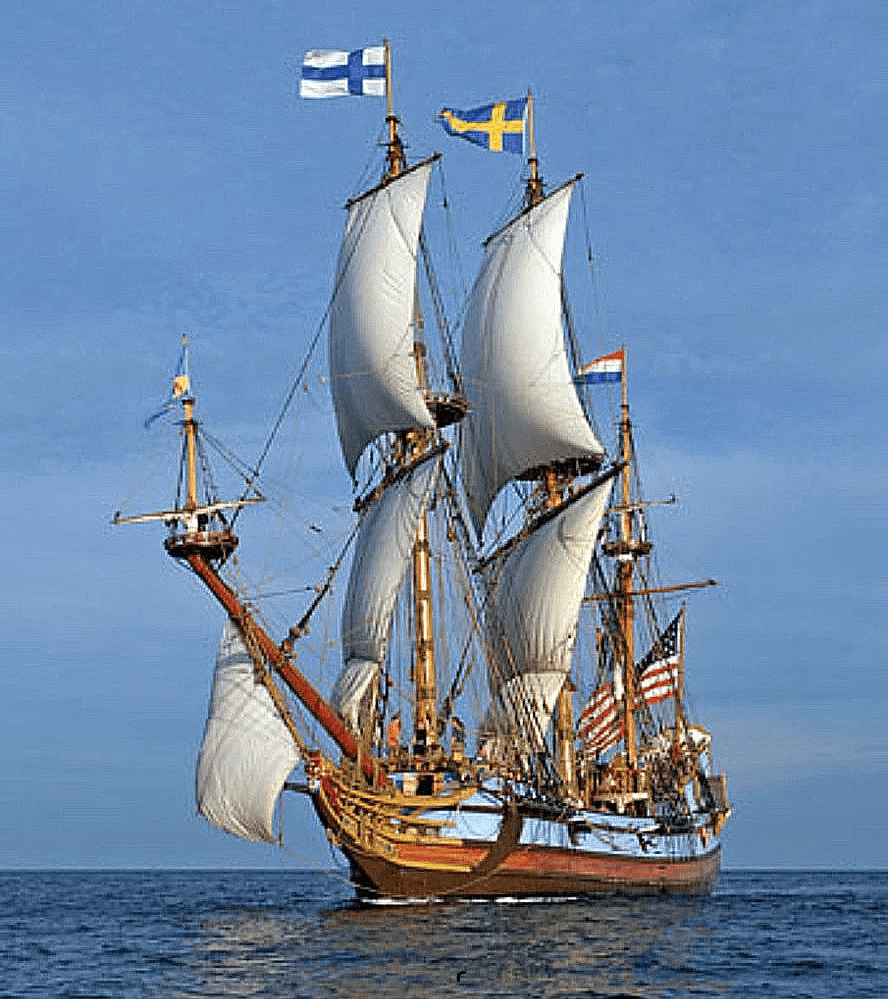
Treacherous. Tempestuous. Turbulent. Since being discovered in 1520, the icy and foggy passageway connecting two oceans at the southmost point of the Americas has earned quite the fearsome reputation. Upon crossing it, its first navigator – Ferdinand Magellan, in whose honor this Strait is named – called the unknown, calm body of water he had…
Read MoreHope
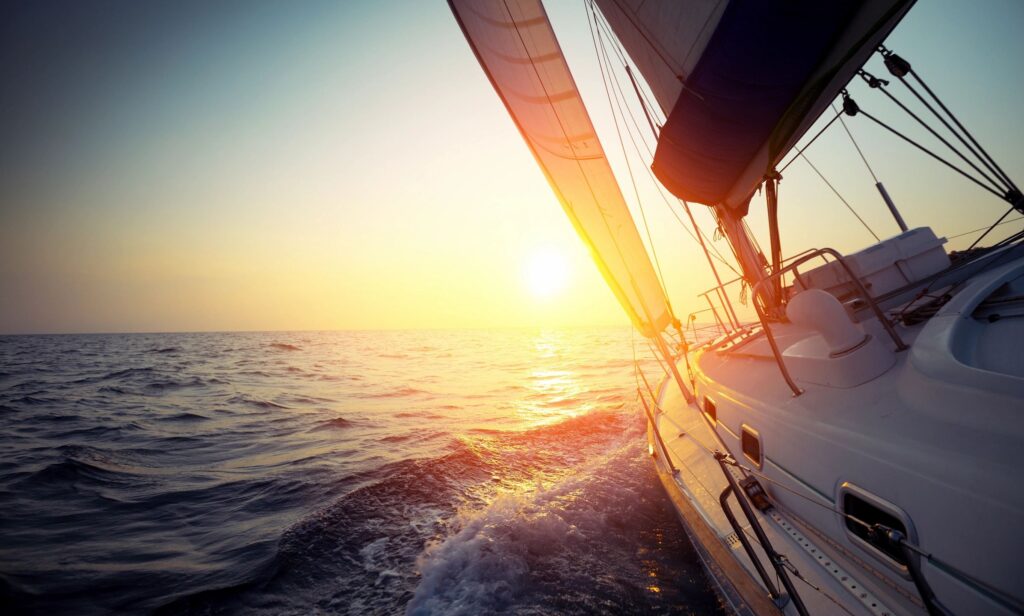
“But then came the swell – the physical proof that there really was something outside this limitless prison of ice. And all the defenses they had so carefully constructed to prevent hope from entering their minds collapsed.” ** Oceanic water is in a constant state of motion: surface winds and (rare) underground tremors cause it…
Read MoreMemory
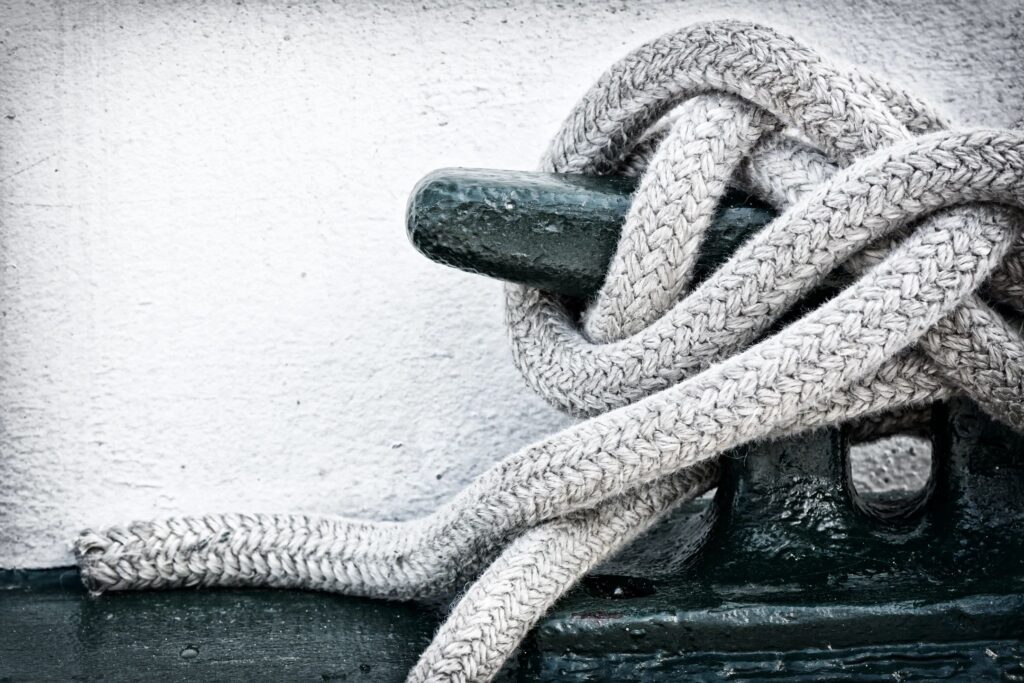
Once upon a time, there was a fisherman who embarked on lengthy voyages in the Pacific Ocean and used as guidance many important observations “of the stars, the ocean swells, the flight patterns of birds and other natural signs […].” Following directions by his chief navigator Makali‘i, an expert stargazer, Hawai‘i Loa is believed to…
Read MoreTime
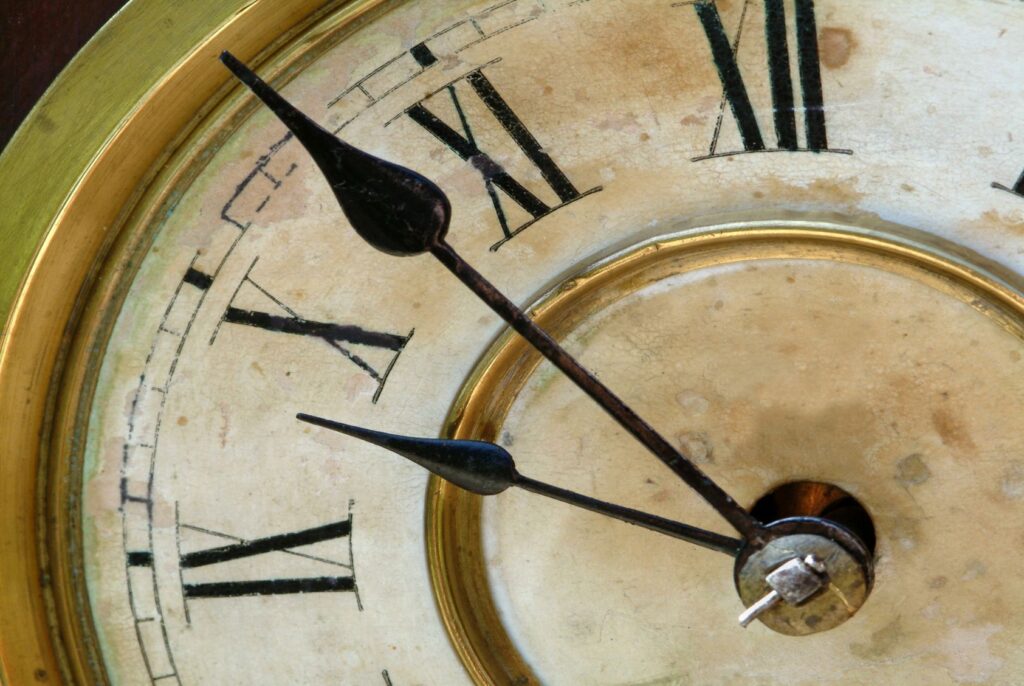
Step one: look up to the sky. Step two: choose a celestial body. Step three: find the horizon. Step four: use the lenses of the instrument to align both visual inputs. Step five: note the time of the observation. Step six: determine latitude. Since nothing in the ocean is static – either above or below…
Read MoreThe Reason
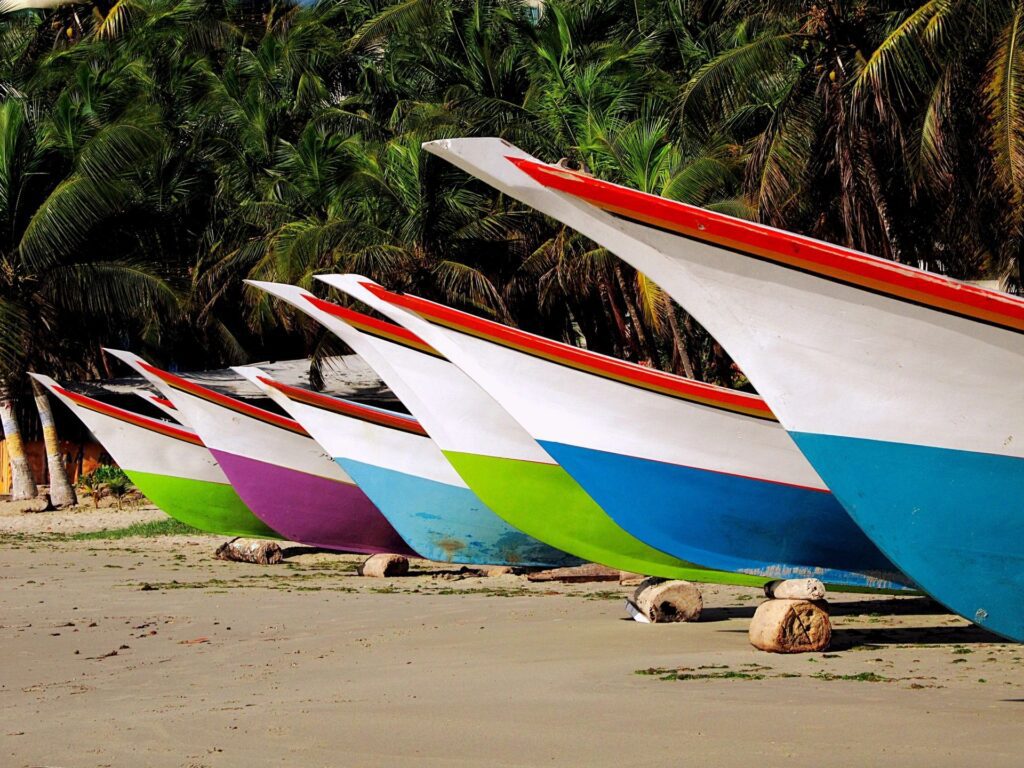
The ancient Romans left dry land and boarded ships for two primary public purposes – commerce and conquer. This is understandable: vessels were hard to build, challenging to steer, and expensive to maintain. And although we can speculate that some of them – as the poet Catullus – may have also pursued recreational activities at…
Read MoreAttention
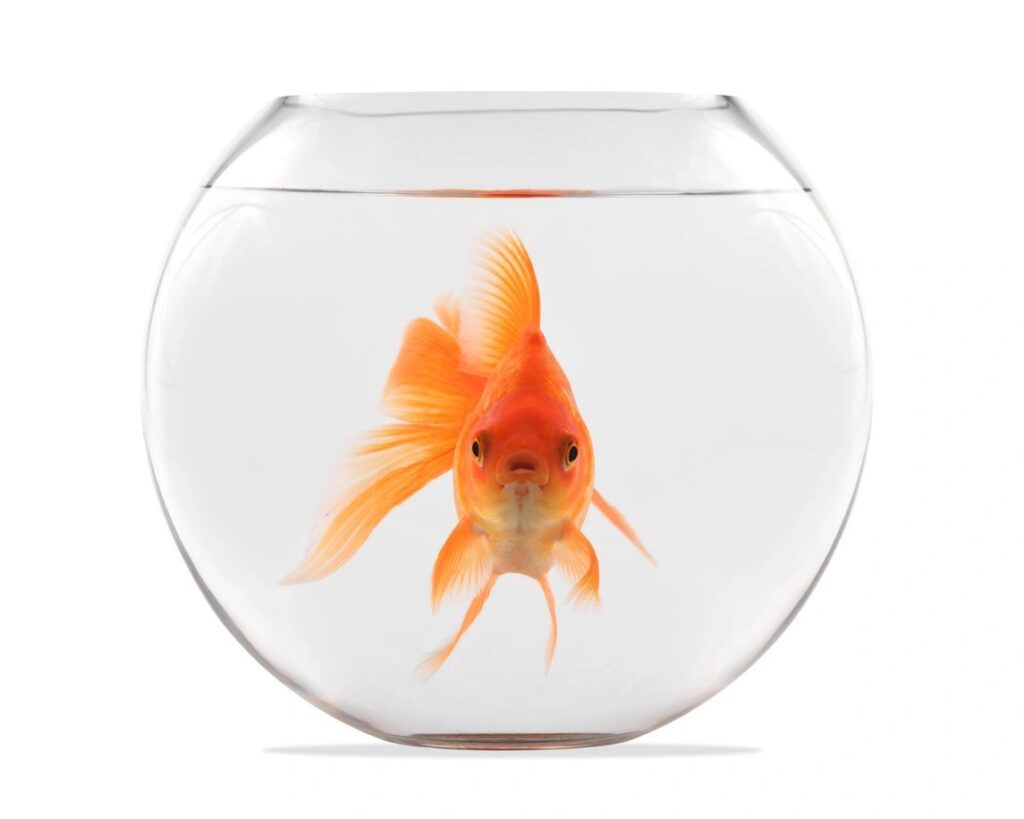
Zebrafish are tiny but mighty swimmers, often found in many habitats, ranging from tropical freshwater to domestic aquariums. Adept at orienting themselves by focusing on moving visual stimuli, they are however at times disengaged and pay attention to something other than the current, or their fellow fish. As for these aquatic vertebrates, attention is a…
Read MoreThe Unimaginable
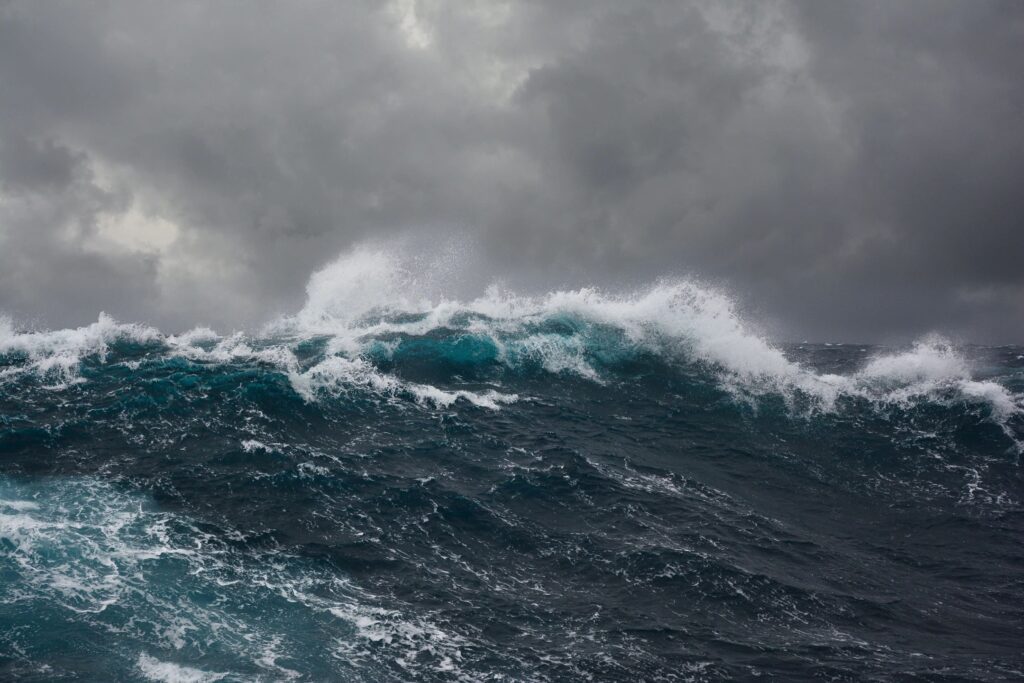
The year is 1786. Reflecting upon his sailing journeys across the Atlantic Ocean, an American polymath starts to observe how neither route choice nor speed guarantee the fastest arrival to their destination to similar vessels navigating across the Atlantic. What Benjamin Franklin imagines, then – and proceeds to chart with stunning accuracy – is that…
Read More